
The potential reemergence of debasement concerns could override rate hikes, boosting platinum investment
25 September 2026
The macroeconomic and macropolitical environments are pushing in different directions with divergent outcomes on precious metal value establishment. Fed rate hikes should be negative for precious metal prices, but debasement risks potentially reemerging could override this and support higher prices (much as during Nov’25 to Jan’26). Current indicators suggest we are not currently in a debasement environment, but continued White House (WH) pressure on the Fed and the state of the federal balance sheet mean it is something to watch out for.
On 16 September, the US Federal Reserve hiked reserve rates by 25 bp to combat exogenous inflation driven by higher oil prices linked to the spreading conflict in the Middle East. Chairman Warsh has strongly indicated that a second hike will be called for if inflation doesn’t ease through the remainder of the year. The October FOMC meeting is by convention probably too close to the November Mid-terms for any change to be made, except in extremis, so the next hike will likely come on 9 December if needed. All else being equal, higher rates would support the dollar and weigh on precious metal prices. In practice that relationship has been weak through this cycle.
Figure 1. Repeating Q4‘25 investment moves ’26 into balance
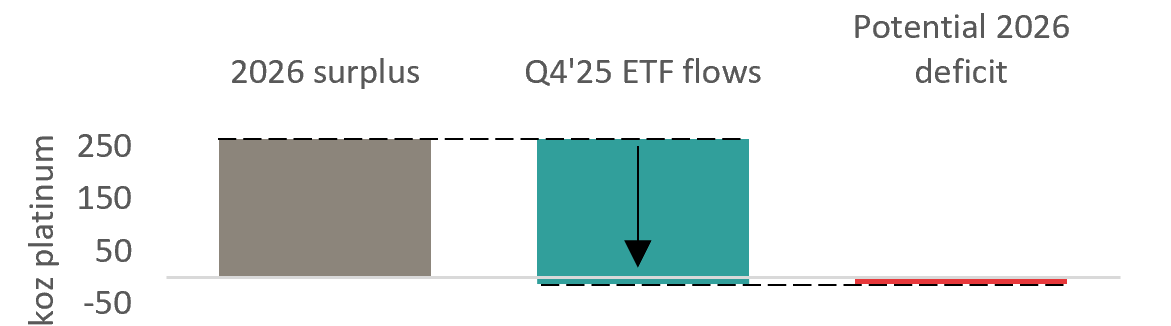
Figure 2. Platinum outperformed gold over Nov’25-Jan’26
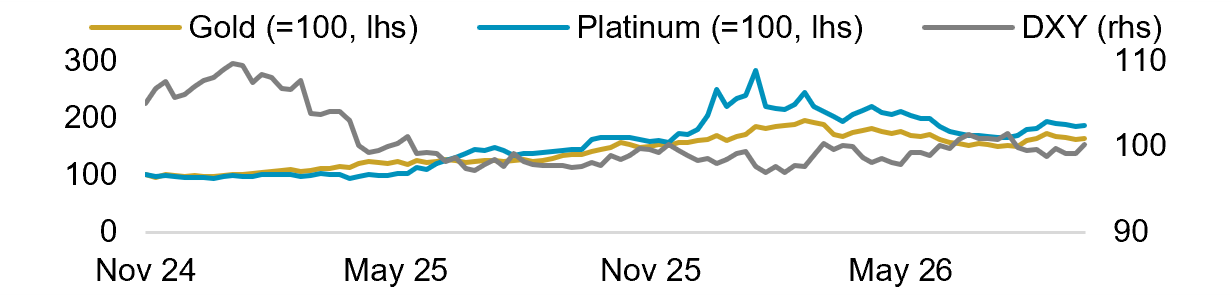
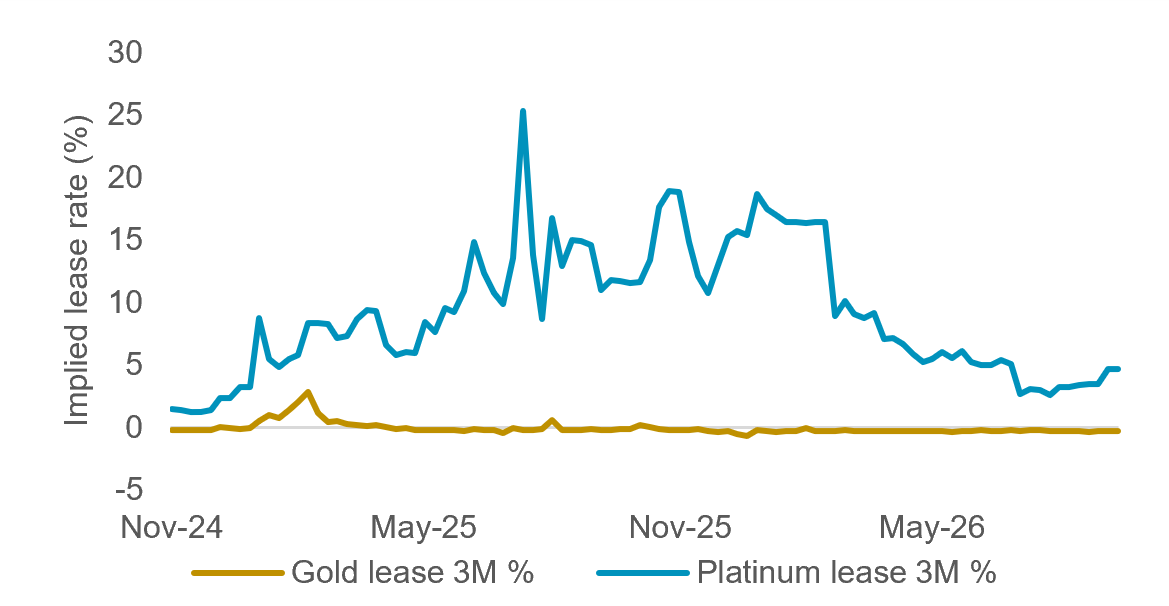
In contrast stands the political environment in the US with repeated WH demands for the Fed to cut rates as well as threatening to cut off trade with countries the US has a trade deficit with if the Fed doesn’t cut rates. A rate cut would be positive for precious metals. However, longer-dated Treasury yields may well continue to rise on inflation, the fiscal balance sheet and refinancing requirements, and concerns over Fed independence. Rising yields would normally be negative for precious metals, but when long yields rise while the front-end stays anchored, the relationship between real yields and metals breaks down, triggering the debasement trade, as seen in April 2025, when Treasuries sold off while the dollar fell and gold rose. However, with the Fed tightening¸ since June the increase in the ten-year real yield has come from expected short rates rather than from term premium, and the metals complex has been broadly flat. The debasement trade that emerged over 2025 and peaked around the turn of the year was highly positive for precious metals and drove significant Pt ETF inflows. Pt’s outperformance in that period (figs 2 and 5) also reflected exceptional tightness in the London market, where three-month lease rates averaged over 15% and the forward curve was in sustained backwardation. That squeeze unwound by mid-2026 but has begun to rebuild, with a return to backwardation in September 2026 (fig 6) and lease rates now around a third of their peak and rising (fig 7). Should term premium-led steepening of the curve reoccur, and platinum markets’ physical tightness continues, investment demand could reengage. Were that to occur at a similar pace to Q4’25 (the height of debasement), the resulting investment inflows would be sufficient to move the full year 2026 Pt market balance from a surplus towards balance (fig 1).
We forecast a platinum market surplus of 265 koz in 2026, but a return to the debasement linked investment flows akin to Q4 2025 could move platinum markets back towards a balance for 2026.
The charts below track political pressure on the Fed, trade/tariffs and political independence of foreign allies as well as debasement indicators and the relative tightness of the platinum market versus gold.
The key indicator to watch for debasement is the real curve moving higher (fig 4) and separately for platinum market tightness, the London OTC market trending into deeper backwardation (fig 6).
Platinum’s attraction as an investment asset arises from:
- WPIC research indicates that the platinum market entered a period of sustained supply deficits from 2023-2025 which have depleted above ground stocks
- A move into a modest surplus market for full year 2026 reflects H1 ETF and exchange stock outflows with a return to deficit market conditions in the second half of the year
- Although higher platinum prices have supported increased recycling supply, total supply demand remains challenged
- Platinum is a critical mineral in the global energy transition underpinning a key role in the hydrogen economy, as well as being an increasingly key input in semiconductor production and AI datacentres
- The platinum price remains significantly below the price of gold in contrast to its historical premium
Figure 3: WPIC generated debasement indicator (DBI) against WPIC generated political pressure index (PPX), the metals and the dollar with dates of major policy events noted (see notes for explanations)
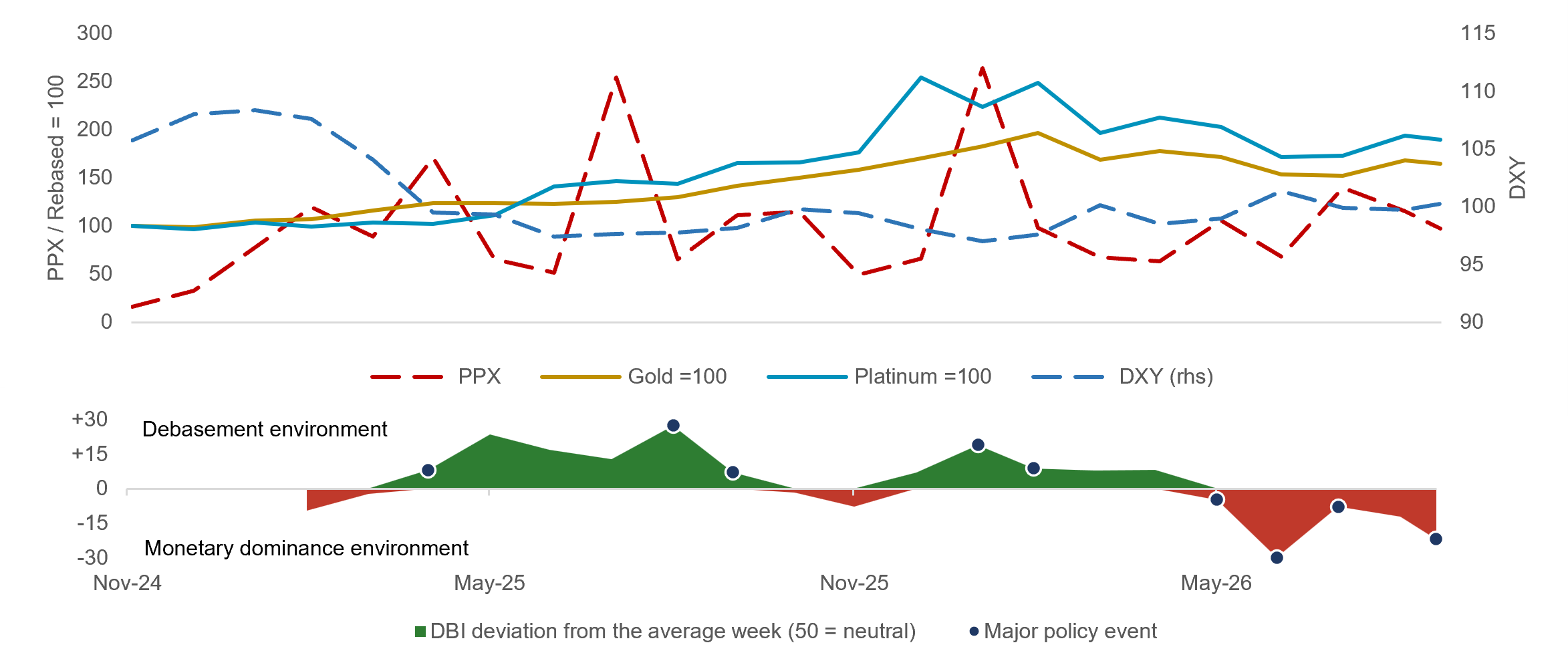
Figure 4: Gold/platinum ratio against the real curve shows platinum’s leverage versus gold, the real curve trending higher would be a strong debasement signal
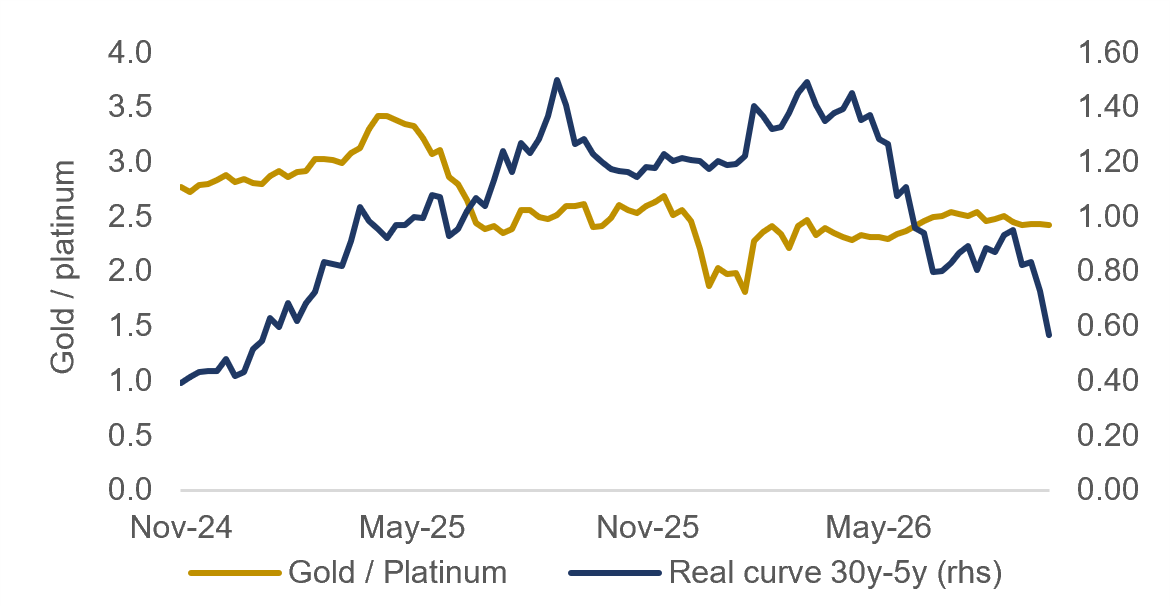
Figure 5: Platinum-minus-gold lease spread against the gold/platinum ratio highlights the platinum market is significantly tighter than the gold market
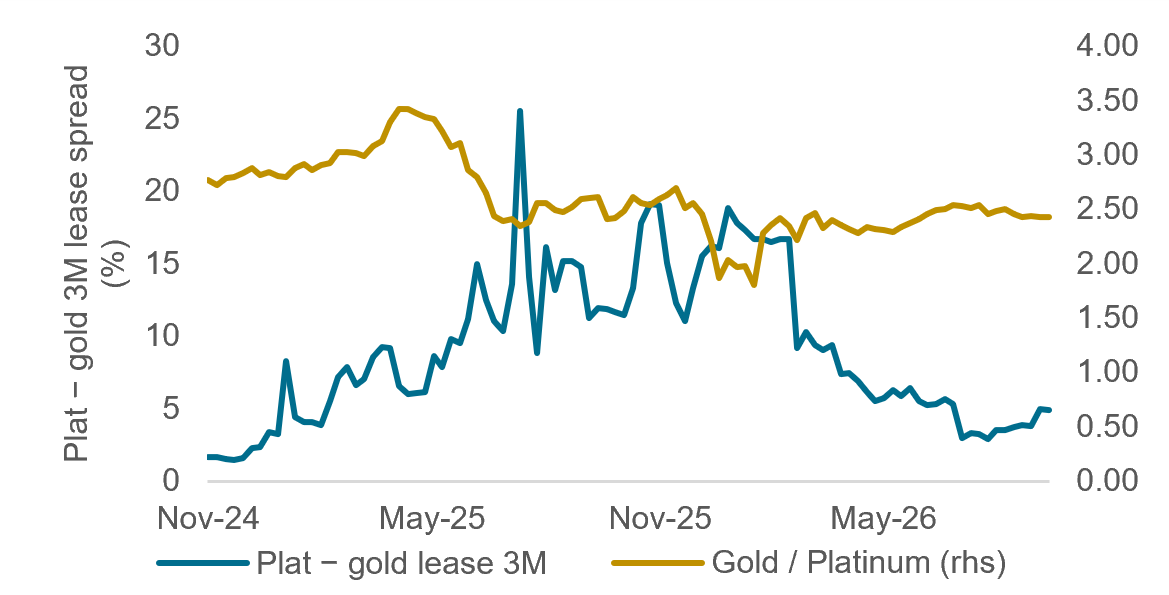
Figure 6: NYMEX 3m Platinum EFP against the London OTC 3m which has returned to backwardation
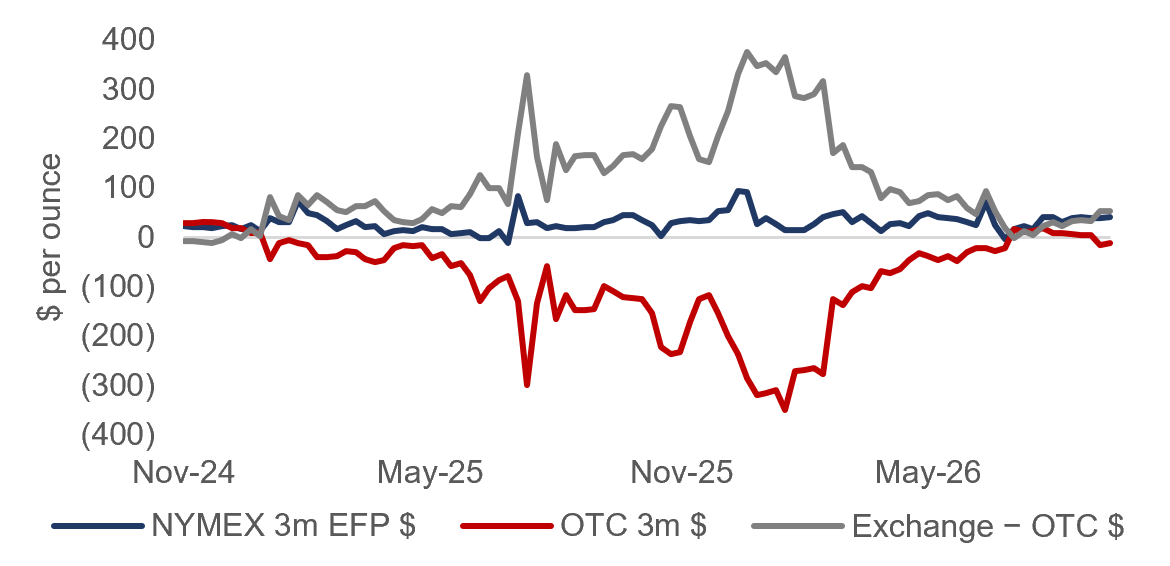
Figure 7: Gold and platinum 3-month implied lease rates, platinum appears to have bottomed and is ticking higher
IMPORTANT NOTICE AND DISCLAIMER: This publication is general and solely for educational purposes. The publisher, The World Platinum Investment Council, has been formed by the world’s leading platinum producers to develop the market for platinum investment demand. Its mission is to stimulate investor demand for physical platinum through both actionable insights and targeted development: providing investors with the information to support informed decisions regarding platinum; working with financial institutions and market participants to develop products and channels that investors need.
This publication is not, and should not be construed to be, an offer to sell or a solicitation of an offer to buy any security. With this publication, the publisher does not intend to transmit any order for, arrange for, advise on, act as agent in relation to, or otherwise facilitate any transaction involving securities or commodities regardless of whether such are otherwise referenced in it. This publication is not intended to provide tax, legal, or investment advice and nothing in it should be construed as a recommendation to buy, sell, or hold any investment or security or to engage in any investment strategy or transaction. The publisher is not, and does not purport to be, a broker-dealer, a registered investment advisor, or otherwise registered under the laws of the United States or the United Kingdom, including under the Financial Services and Markets Act 2000 or Senior Managers and Certifications Regime or by the Financial Conduct Authority.
This publication is not, and should not be construed to be, personalized investment advice directed to or appropriate for any particular investor. Any investment should be made only after consulting a professional investment advisor. You are solely responsible for determining whether any investment, investment strategy, security or related transaction is appropriate for you based on your investment objectives, financial circumstances and risk tolerance. You should consult your business, legal, tax or accounting advisors regarding your specific business, legal or tax situation or circumstances.
The information on which this publication is based is believed to be reliable. Nevertheless, the publisher cannot guarantee the accuracy or completeness of the information. This publication contains forward-looking statements, including statements regarding expected continual growth of the industry. The publisher notes that statements contained in the publication that look forward in time, which include everything other than historical information, involve risks and uncertainties that may affect actual results. The logos, services marks and trademarks of the World Platinum Investment Council are owned exclusively by it. All other trademarks used in this publication are the property of their respective trademark holders. The publisher is not affiliated, connected, or associated with, and is not sponsored, approved, or originated by, the trademark holders unless otherwise stated. No claim is made by the publisher to any rights in any third-party trademarks
WPIC Research MiFID II Status
The World Platinum Investment Council -WPIC- has undertaken an internal and external review of its content and services for MiFID II. As a result, WPIC highlights the following to the recipients of its research services, and their Compliance/Legal departments:
WPIC research content falls clearly within the Minor Non-Monetary Benefit Category and can continue to be consumed by all asset managers free of charge. WPIC research can be freely shared across investment organisations.
- WPIC does not conduct any financial instrument execution business. WPIC does not have any market making, sales trading, trading or share dealing activity. (No possible inducement).
- WPIC content is disseminated widely and made available to all interested parties through a range of different channels, therefore qualifying as a “Minor Non-Monetary Benefit” under MiFID II (ESMA/FCA/AMF). WPIC research is made freely available through the WPIC website. WPIC does not have any permissioning requirements on research aggregation platforms.
- WPIC does not, and will not seek, any payment from consumers of our research services. WPIC makes it clear to institutional investors that it does not seek payment from them for our freely available content.
More detailed information is available on the WPIC website:
https://www.platinuminvestment.com/investment-research/mifid-ii
Contacts:
Edward Sterck, Research, [email protected]
Wade Napier, Research, [email protected]
Brendan Clifford, Head of Institutional Distribution, [email protected]
WPIC does not provide investment advice.
Please see disclaimer for more information.